2. Bone Marrow Transplantation and Cellular Therapy Nursing Workshop

Program Overview

FAHZU Bone Marrow Transplantation and Cellular Therapy Nursing Workshop

The Bone Marrow Transplantation Center at the First Affiliated Hospital, Zhejiang University School of Medicine, offers specialized training in nursing care for hematologic diseases, hematopoietic stem cell transplantation, and cellular therapies such as CAR-T therapy. The program combines lectures, clinical observation, skills demonstrations, case-based learning, simulation, and interactive exchange.


Program Highlights

· Practice-oriented learning in a leading hematopoietic stem cell transplantation and cellular therapy center.

· Clinical observation of transplantation and cellular therapy nursing processes.

· Training in protective isolation, aseptic techniques, vascular access care, and infusion safety.

· Focus on infection prevention, symptom management, nutrition, rehabilitation, and psychological support.

· Exposure to the continuum of care from treatment preparation through rehabilitation and follow-up.

· Opportunities for international exchange and professional development.    


Training Objectives

· Describe fundamental nursing processes for hematologic diseases, HSCT, and CAR-T therapy.

· Identify key nursing considerations related to infection prevention, vascular access, infusion therapy, nutrition, and treatment-related complications.

· Understand the principles of patient-centered care and multidisciplinary collaboration.

· Strengthen clinical observation, risk identification, communication, and patient education skills.

· Broaden understanding of specialized hematology nursing practice.


Program Duration

A short-term observership or structured clinical learning experience. A 2- to 4-week format may be offered, subject to confirmation by the program team.

Target Audience & Qualifications

Registered nurses, nursing students, and nurses interested in hematology, transplantation, or cellular therapy.

Focus Areas & Skills

Hematologic disease nursing, HSCT, CAR-T and cellular therapies, protective isolation, infection prevention, PICC and central venous catheter care, infusion management, medication safety, GVHD-related nursing care, symptom and complication management, nutrition, rehabilitation, psychological support, and patient/family education.

Program Agenda

Lectures, clinical observation, skills demonstrations, simulation-based learning, case discussions, interactive exchange, reflective learning, and final presentations.

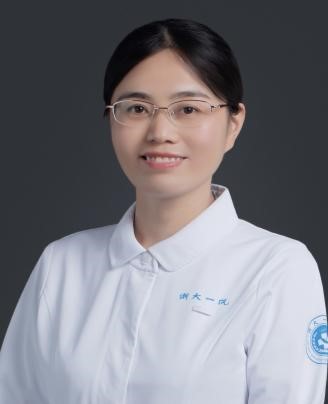
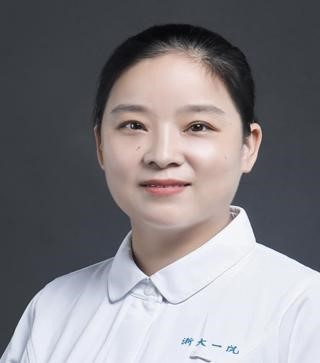
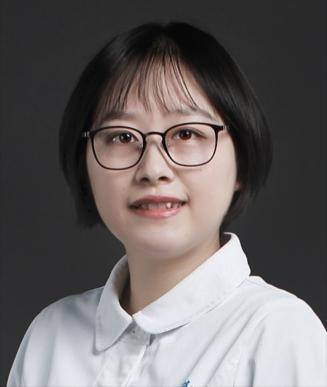
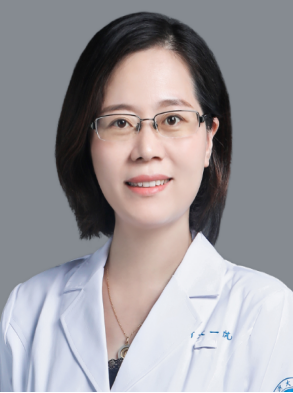
Faculty