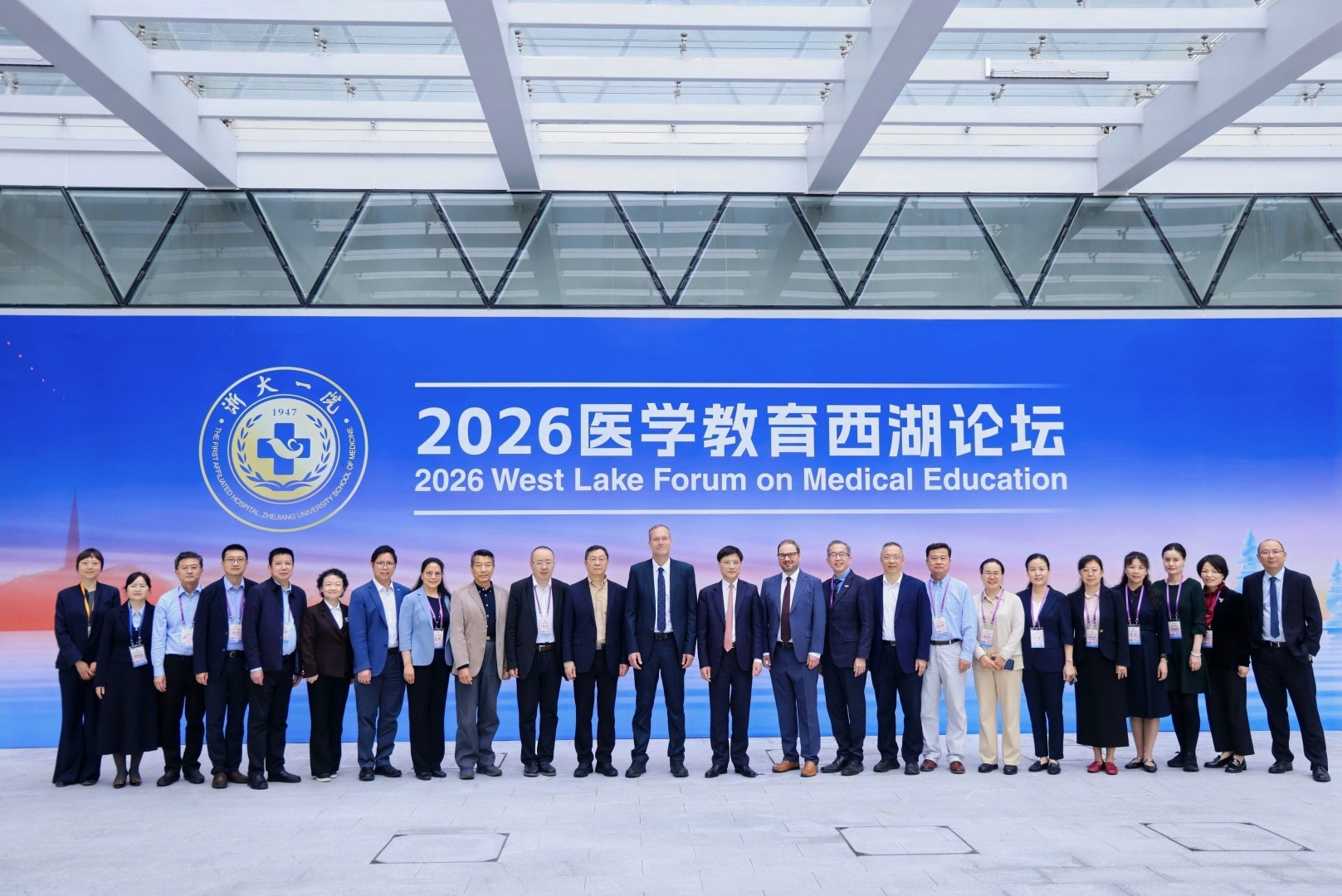
Guided by a commitment to global perspective, humanistic medicine, and digital innovation, the forum convenes leading experts worldwide to explore emerging trends and transformative pathways in medical education
The 2026 West Lake Forum on Medical Education (WLFME) convened in Hangzhou, bringing together global leaders in medical education to examine how advances in artificial intelligence, simulation-based training, and evolving clinical demands are reshaping the future of healthcare education. Hosted by The First Affiliated Hospital, Zhejiang University School of Medicine(FAHZU), the forum—together with the accompanying Simulation Medicine Week—formed an integrated platform that combined high-level academic dialogue with immersive, practice-based learning.
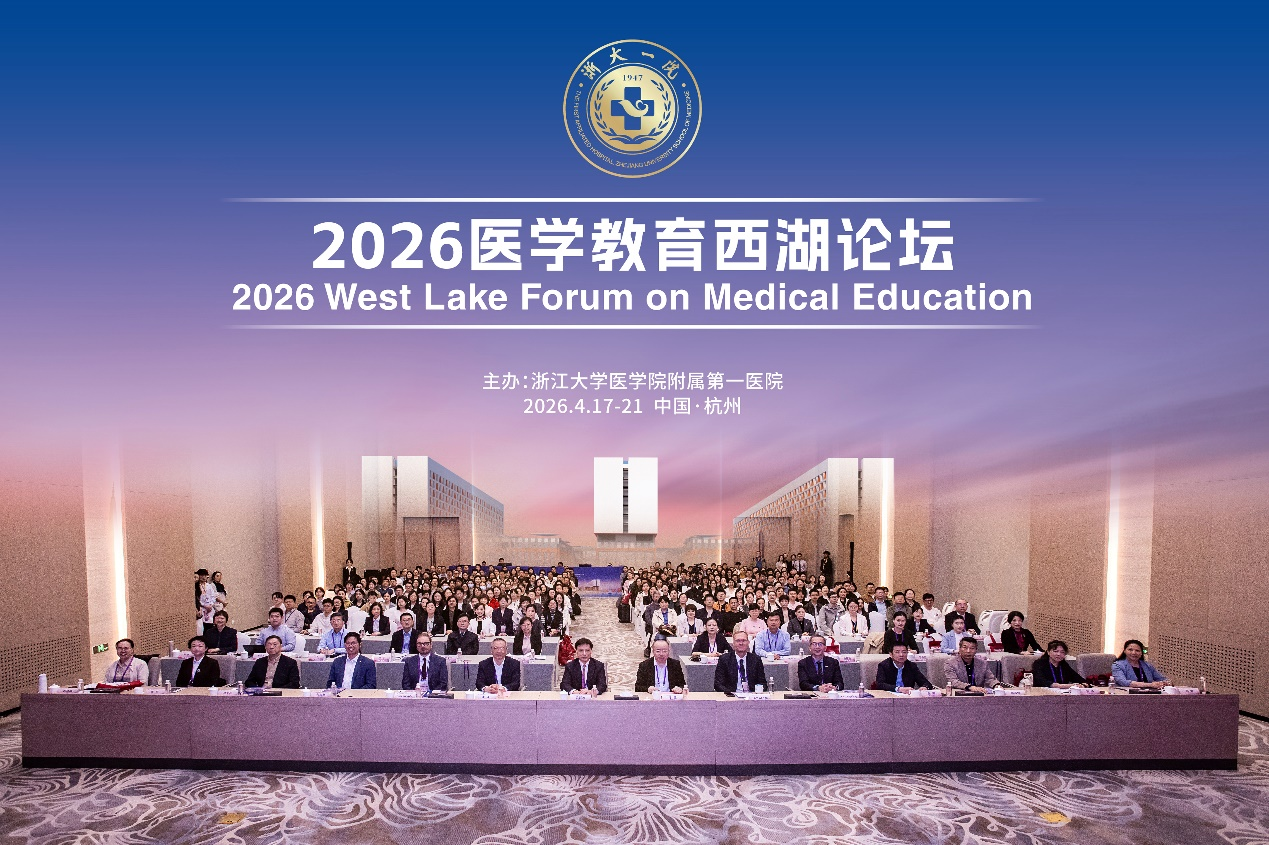
Spanning both strategic discourse and applied learning, the program addressed key frontiers including artificial intelligence–empowered education, advanced simulation systems, and the integration of humanistic principles into clinical teaching. Participants from Asia, Europe, and North America contributed diverse perspectives, reflecting a shared recognition of the need to align medical education more closely with real-world clinical complexity and rapidly advancing technologies.
The forum featured a plenary session alongside four thematic tracks, examining faculty development in the digital era, student-centered learning innovation, and emerging frameworks for simulation-based education and research. Across sessions, discussions emphasized interdisciplinary collaboration, data-informed teaching approaches, and the cultivation of competencies essential for modern clinical practice.
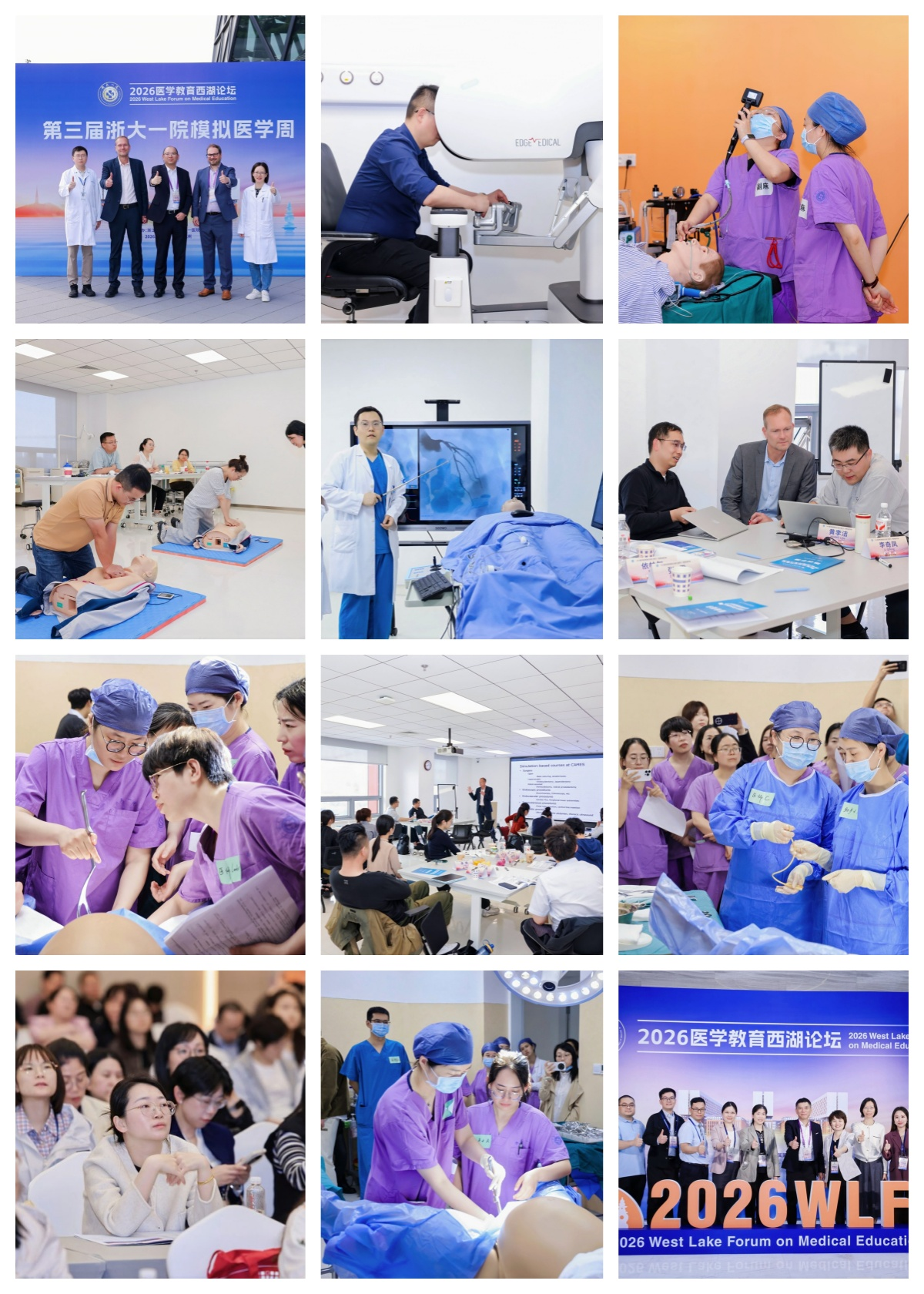
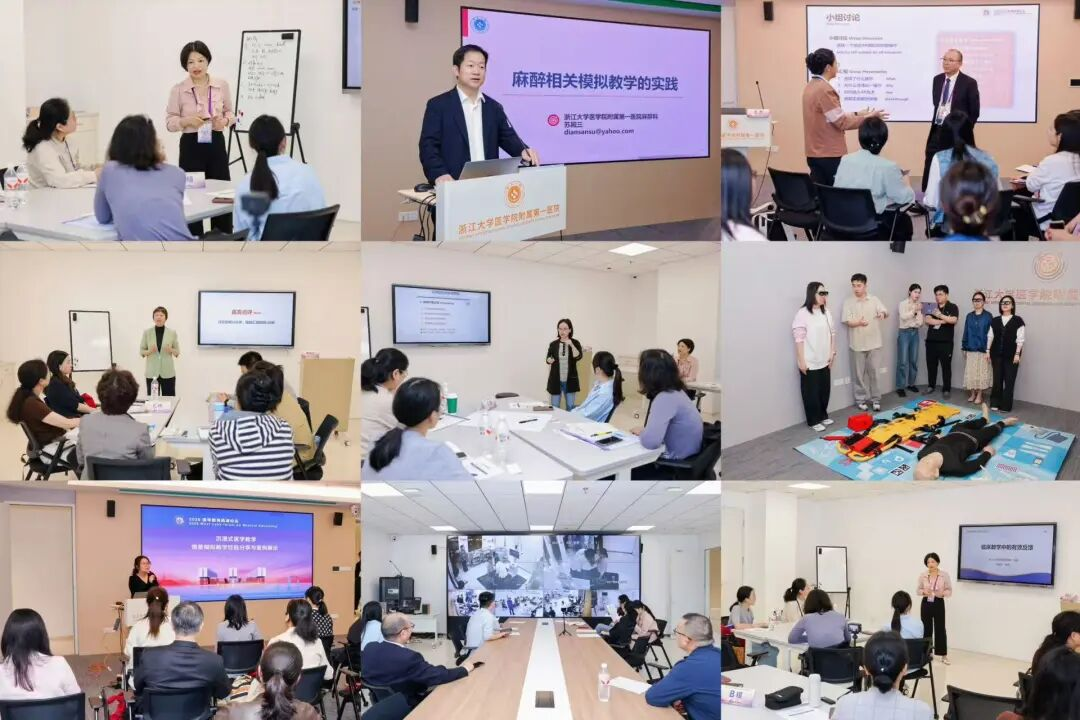
Held in parallel, the FAHZU Simulation Medicine Week (April 17–21) offered a comprehensive program of international masterclasses, interactive workshops, and structured course observation, providing participants with an immersive and practice-oriented learning experience.
Global Perspectives in Collaborative Teaching
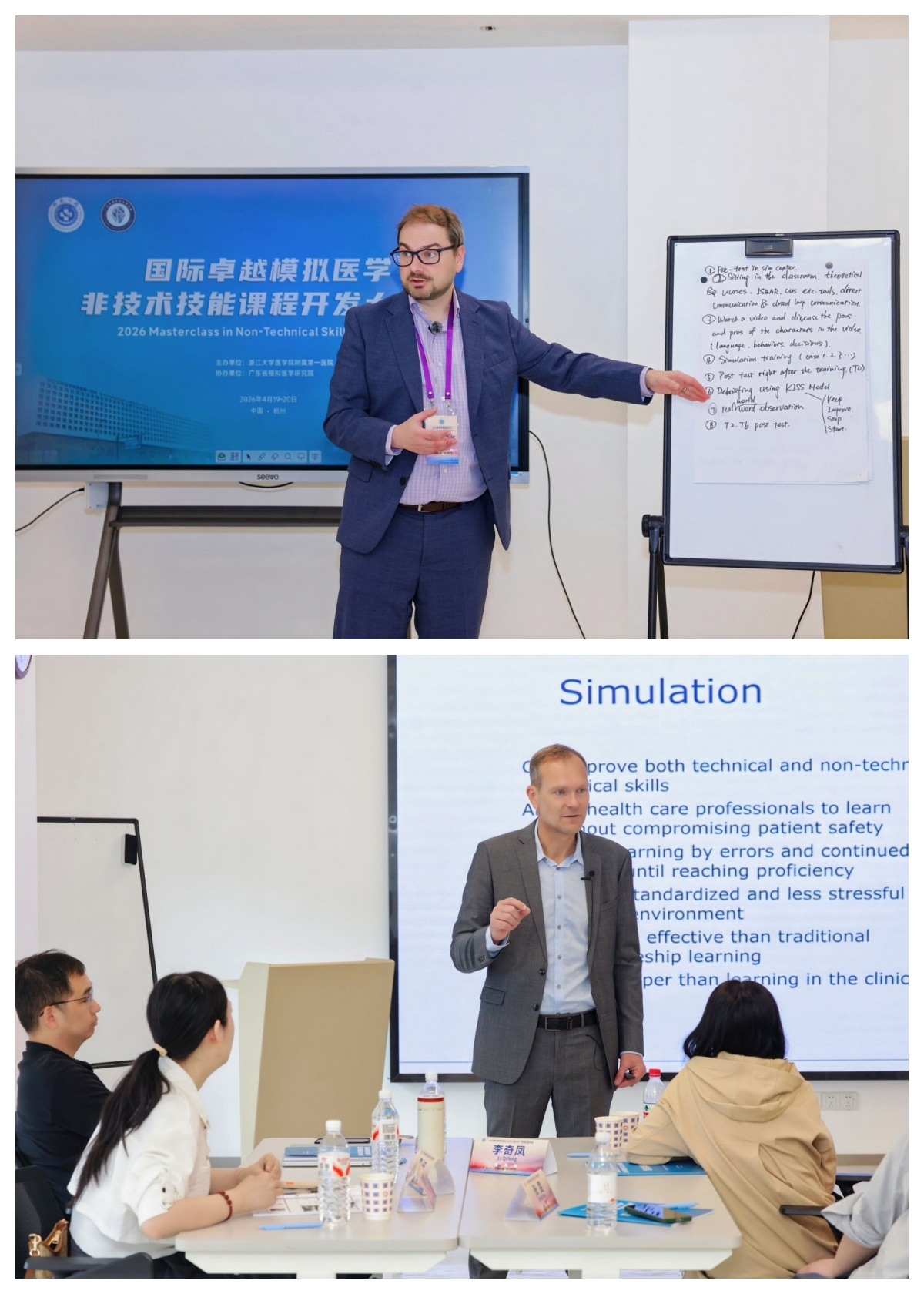
International masterclasses, led by Lars Konge and Steven Yule, focused on evidence-based curriculum design and the advancement of non-technical skills. Through a combination of targeted lectures, facilitated group discussions, and hands-on exercises, participants engaged with systematic approaches to curriculum development while strengthening competencies in communication, situational awareness, clinical decision-making, and leadership in complex care environments. The sessions emphasized collaborative learning and alignment with international standards in medical education.
FAHZU Innovations in Digital and Simulation-Based Education
Complementing these sessions, FAHZU faculty delivered a series of application-oriented workshops addressing core components of clinical education, including scenario-based simulation design, consultation case development, effective feedback strategies, and the integration of artificial intelligence into teaching and assessment. Emphasizing active participation and real-time feedback, these workshops demonstrated how digital technologies and simulation methodologies can be effectively integrated into a coherent teaching framework.
Course Observation and Shared Learning in Practice
Course observation sessions further showcased FAHZU’s mature simulation training system across a wide range of specialties—from minimally invasive and open surgical techniques to critical care, emergency response, and multidisciplinary team-based management. These sessions highlighted standardized training pathways, high-fidelity simulation environments, and coordinated instructional models, offering participants practical insights and adaptable approaches for diverse clinical education settings.
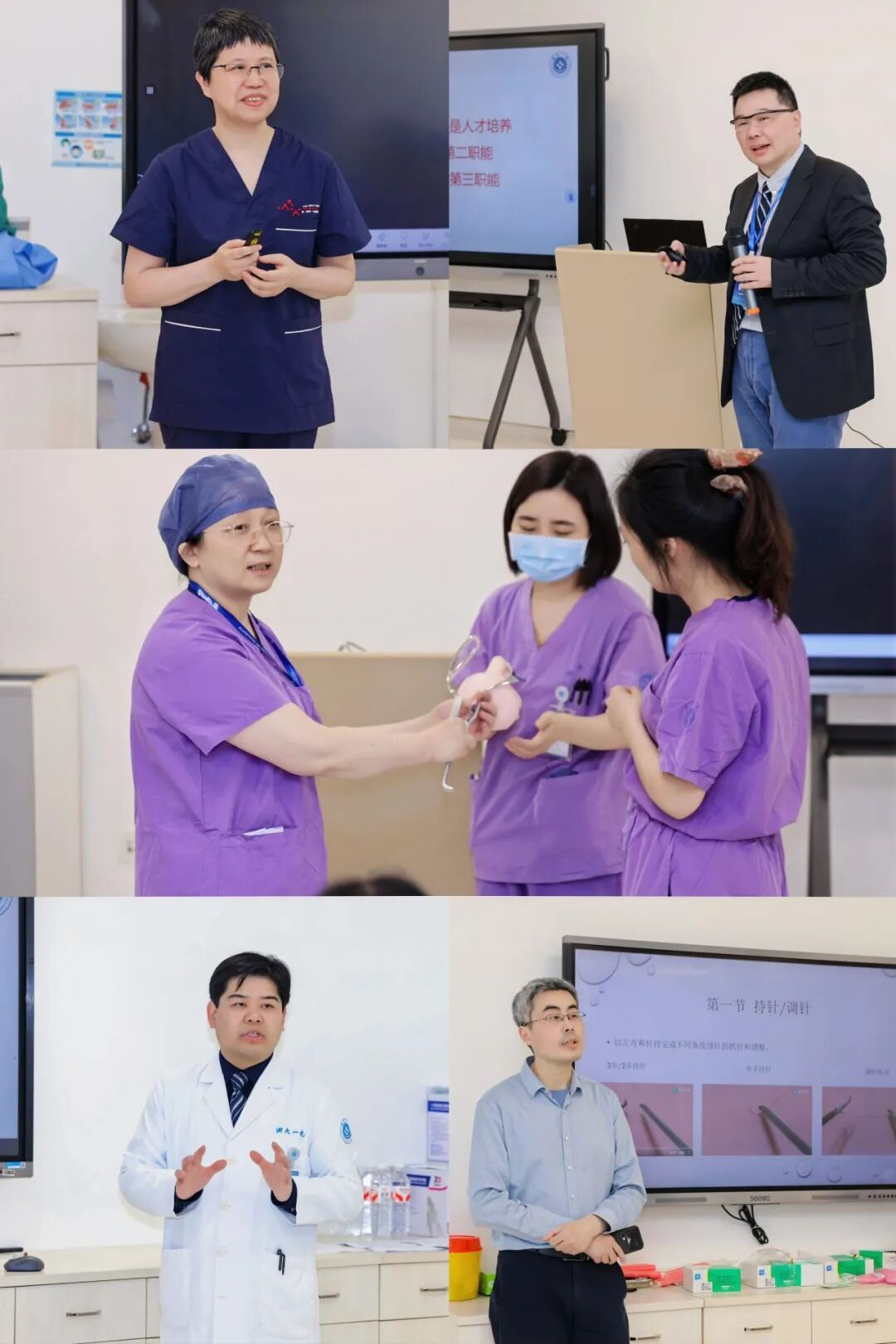
The successful convening of the forum underscores FAHZU’s leadership in advancing medical education and its commitment to strengthening global engagement. Looking ahead, the institution will continue to leverage digital innovation and simulation medicine to drive educational transformation, cultivate high-caliber medical professionals, and contribute to the advancement of global health.