

A woman in her 30s was pulled unconscious from the sea on a beach in Wanning, southern China, on April 26, after nearly drowning in strong waves. With no signs of breathing and no detectable pulse, the situation quickly turned critical.
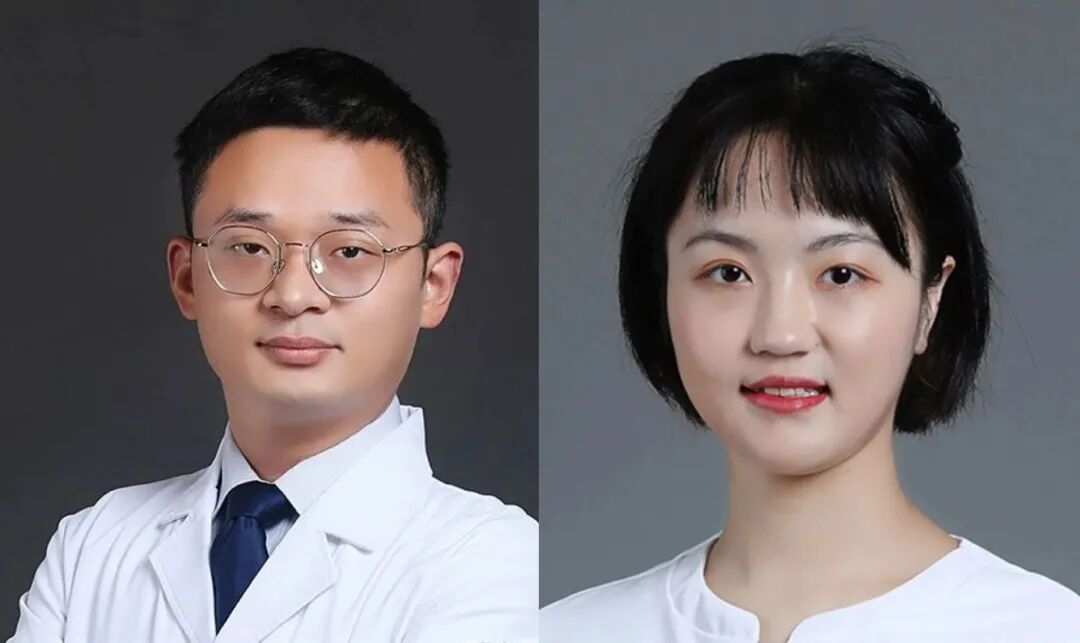
Two off-duty ICU nurses from The First Affiliated Hospital, Zhejiang University School of Medicine—Jiang Zhiwen and Yuan Yuan—were nearby when they heard calls for help and rushed to the scene.
Working side by side, the pair immediately began emergency resuscitation. One cleared the airway and delivered rescue breaths, while the other initiated chest compressions after confirming cardiac arrest. The two alternated in a steady rhythm, maintaining coordinated CPR as bystanders looked on.


After sustained efforts, the woman began to cough and regained spontaneous breathing.
“We didn’t think about anything—we just acted,” the nurses said. “In our daily work, responding to emergencies is second nature. When someone’s life is at risk, you step forward.”
They remained on their knees, monitoring the patient’s breathing and pulse until paramedics arrived and took over.
Family members of the rescued woman later expressed their gratitude.
“We are incredibly fortunate that they were there,” a relative said. “Without them, we might have lost her. We can’t thank them enough.”
The woman is now in stable condition and receiving further treatment at a local hospital.

At FAHZU, such responses are not exceptional, but expected. They reflect a deeply embedded commitment to patient-centered values and rigorous clinical training. From simulation-based education to critical care practice, the institution emphasizes preparedness, precision, and responsibility—ensuring that when moments of crisis arise, its medical professionals are ready to act.
